
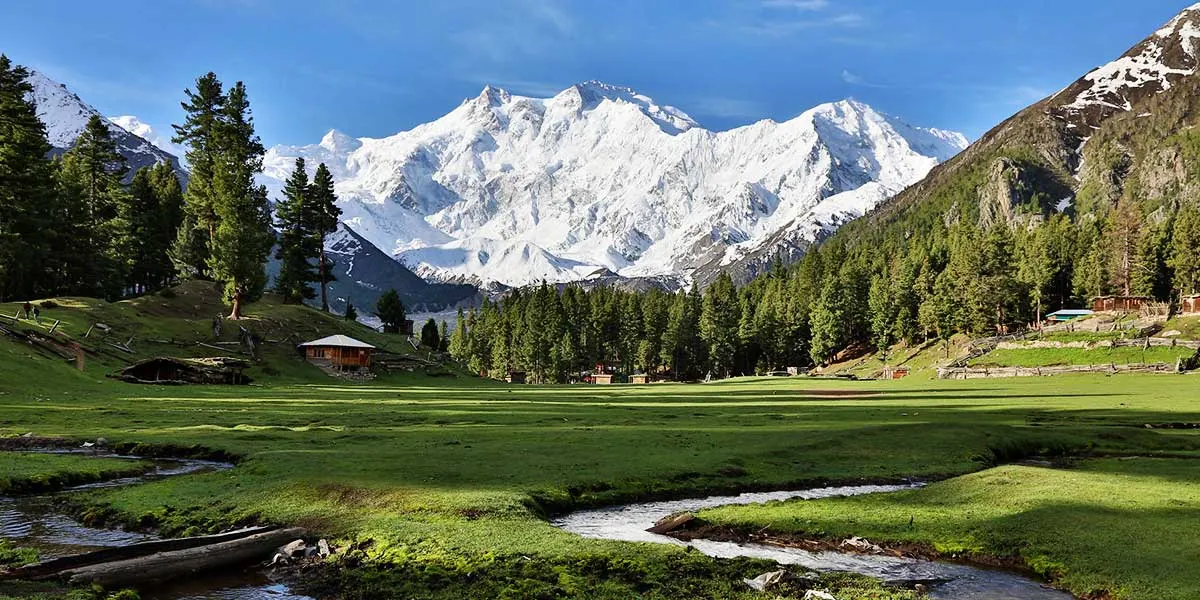
Nanga Parbat (8126m) Peak Expedition
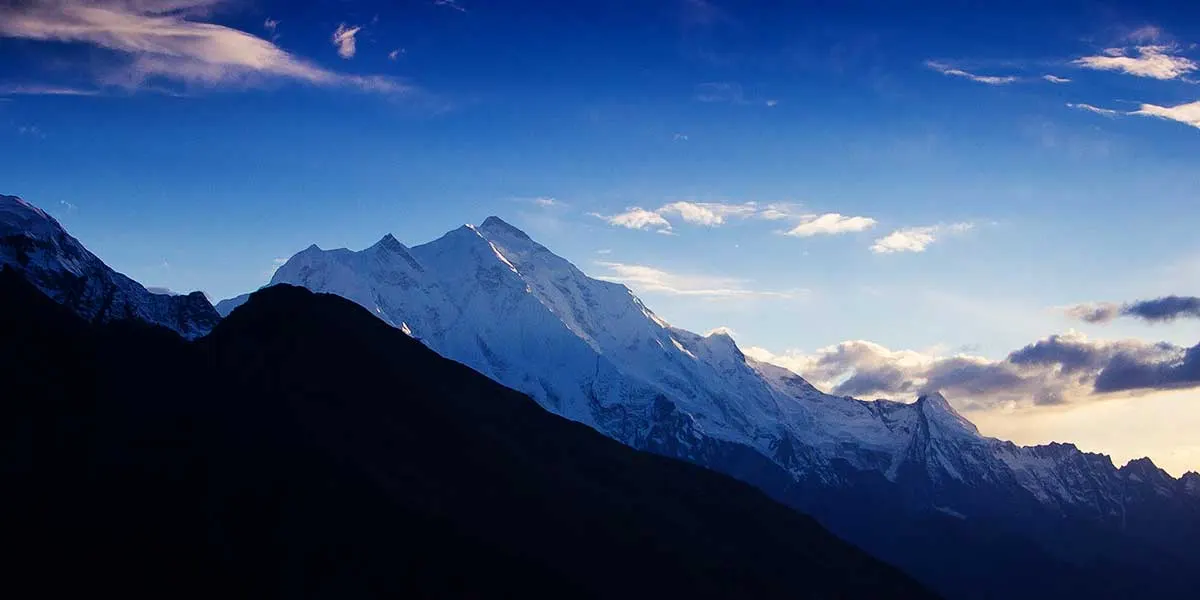
Nanga Parbat is one of the eight-thousanders, with a summit elevation of 8,126 meters (26,660 ft). An immense, dramatic peak rising far above its surrounding terrain, Nanga Parbat is also a notoriously difficult climb. Numerous mountaineering deaths in the mid and early 20th century lent it the nickname “killer mountain”.
- Duration
- 47 days
- Summit
- 8,126m
Climbing attempts started very early on Nanga Parbat. In 1895 Albert F. Mummery led an expedition to the peak and reached almost 6,100 m (20,000 ft) on the Diamir (West) Face, but Mummery and two Gurkha companions later died reconnoitering the Rakhiot Face.
In the 1930s, Nanga Parbat became the focus of German interest in the Himalayas. The German mountaineers were unable to attempt Mount Everest, as only the British had access to Tibet. Initially, German efforts focused on Kanchenjunga, to which Paul Bauer led two expeditions in 1930 and 1931, but with its long ridges and steep faces Kanchenjunga was more difficult than Everest and neither expedition made much progress. K2 was known to be harder still, and its remoteness meant that even reaching its base would be a major undertaking. Nanga Parbat was, therefore, the highest mountain accessible to Germans and also deemed possible by climbers at the time.
Nanga Parbat was first climbed, via the Rakhiot Flank (East Ridge), on July 3, 1953, by Austrian climber Hermann Buhl, a member of a German-Austrian team. The expedition was organized by the half-brother of Willy Merkl, Karl Herrligkoffer from Munich, while the expedition leader was Peter Aschenbrenner from Kufstein, who had participated in the 1932 and 1934 attempts. By the time of this expedition, 31 people had already died on the mountain.
The final push for the summit was dramatic: Buhl continued alone for the final 1300 meters after his companions had turned back. Under the influence of the drugs pervitin (based on the stimulant methamphetamine used by soldiers during World War II), padutin, and tea from coca leaves, he reached the summit dangerously late, at 7 p.m., the climbing harder and more time-consuming than he had anticipated. His descent was slowed when he lost a crampon. Caught by darkness, he was forced to bivouac standing upright on a narrow ledge, holding a small handheld with one hand. Exhausted, he dozed occasionally but managed to maintain his balance. He was also very fortunate to have a calm night, so he was not subjected to wind chill. He finally reached his high camp at 7 p.m. the next day, 40 hours after setting out. The ascent was made without oxygen, and Buhl is the only man to have made the first ascent of an 8000 m peak alone.
Day by day
Itinerary
Day 01
Islamabad
Arrival at Islamabad.
Day 02
Islamabad
Welcome reception or Briefing at Ministry of Tourism.
Day 03
Islamabad – Chilas
Fly to Skardu or drive to Chilas
Day 04
Chilas – Zangot
Jeep drive + Easy walk.
Day 05
Zangot – Nanga Parbat BC
Trek to Nanga Parbat Base Camp.
Day 06–42
Climbing
Days reserved for climbing
Day 43
Nanga Parbat BC – Zangot
Return back to Zangot.
Day 44
Zangot – Chilas
Drive back to Chilas
Day 45
Chilas – Islamabad
Drive to Islamabad.
Day 46
Islamabad
Debriefing/Farewell at Ministry of Tourism.
Day 47
Fly Back
Embark your international flight.
You may also like
More expeditions
Plan your trip
Have questions or suggestions?
Tell us where you’d like to go and when. Our team in Karimabad, Hunza will help you plan it.